
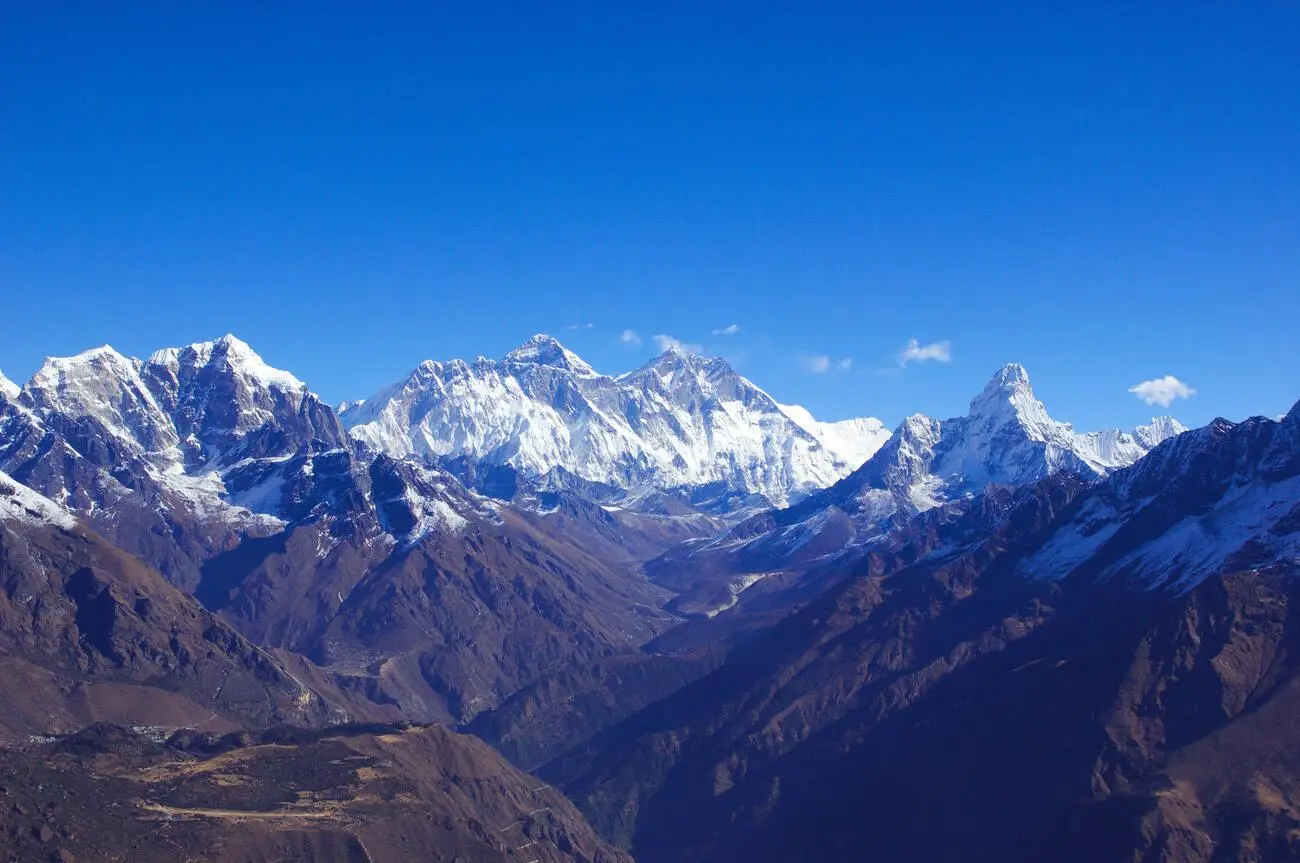
Nepal is a land of towering peaks, lush valleys, and ancient cultural heritage, making it one of the most sought-after trekking destinations in the world. For beginners, trekking in Nepal offers an accessible yet immersive way to experience the country’s stunning natural beauty and rich cultural tapestry without requiring extreme physical training. Mountain King Adventures specializes in curating trekking experiences that balance adventure with safety and comfort, ensuring that even first-time trekkers can enjoy the Himalayan landscapes fully.
Trekking in Nepal is not just about climbing mountains; it’s about connecting with nature, discovering traditional villages, and experiencing a lifestyle that has remained unchanged for centuries. Routes vary in difficulty, length, and scenery, so beginners have plenty of options to choose from. Many trekking trails include teahouses or lodges where trekkers can rest, eat, and mingle with locals, making the experience both social and culturally enriching.
Some key benefits of trekking in Nepal for beginners include:
Whether you aim to witness the grandeur of the Himalayas or enjoy peaceful walks through serene villages, trekking in Nepal offers an unforgettable experience that is accessible even for first-time adventurers.
Nepal, nestled between China and India, is home to eight of the world’s ten highest mountains, including the legendary Mount Everest. Trekking here is not just a physical journey but a deeply rewarding cultural and spiritual experience. The trails range from short day hikes to multi-week expeditions, offering something for every level of fitness and adventure. For beginners, trekking provides a manageable challenge while allowing them to absorb the country’s natural beauty and rich heritage. Mountain King Adventures focuses on designing beginner-friendly treks that prioritize safety, comfort, and authentic experiences.
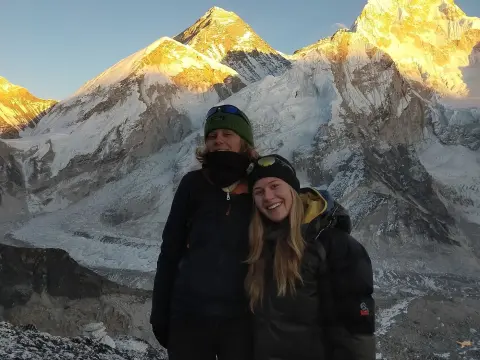
Trekking in Nepal is an ideal way to explore the Himalayas without the need for technical climbing skills. Trails often pass through picturesque landscapes such as terraced farmlands, pine forests, and alpine meadows, giving trekkers a front-row seat to some of the most breathtaking scenery on Earth. Beyond nature, trekkers also encounter ancient monasteries, stone-paved villages, and warm-hearted locals who welcome visitors with open arms.
Benefits of trekking in Nepal for newcomers include:
With careful planning and support from companies like Mountain King Adventures, trekking in Nepal is a safe, enjoyable, and life-changing adventure for anyone, even those stepping onto Himalayan trails for the first time.
Nepal is an ideal destination for beginner trekkers for several reasons. First, it offers a wide range of trekking options that vary in difficulty, duration, and scenery, making it possible for even novice hikers to enjoy a fulfilling experience. Unlike extreme expeditions, beginner-friendly treks often feature moderate altitudes, well-maintained trails, and comfortable lodging, reducing both physical and logistical challenges. With the support of professional trekking companies like Mountain King Adventures, beginners can confidently navigate these routes without feeling overwhelmed.
Another reason Nepal is perfect for beginners is the combination of natural beauty and cultural immersion. Trekking is not only about walking through mountains but also about exploring local villages, interacting with friendly Nepalese communities, and witnessing traditional ceremonies and lifestyles. These experiences provide enriching insights into the country’s history and culture, making the journey rewarding beyond just the physical activity.
Key features that make Nepal beginner-friendly include:
Additionally, Nepal’s temperate climate during trekking seasons (spring and autumn) provides favorable conditions for beginners. Combined with stunning landscapes and welcoming communities, it ensures that first-time trekkers can experience the magic of the Himalayas with confidence and ease.
For beginners, Nepal offers a variety of trekking routes that combine manageable difficulty with breathtaking scenery. The most popular beginner-friendly treks include the Everest Base Camp Trek via Lukla, Annapurna Base Camp Trek, Ghorepani Poon Hill Trek, and Langtang Valley Trek. Each trek provides a unique mix of natural beauty, cultural exposure, and adventure without requiring technical climbing skills. Mountain King Adventures tailors these treks to ensure a comfortable pace, sufficient rest, and engaging experiences along the way.
The Everest Base Camp Trek via Lukla allows trekkers to witness the grandeur of the world’s tallest peaks while staying in well-equipped teahouses. The Annapurna Base Camp Trek features diverse landscapes, from subtropical forests to alpine meadows, offering both scenic variety and cultural richness. Meanwhile, the Ghorepani Poon Hill Trek is ideal for those with limited time, providing spectacular sunrise views over the Annapurna range in just a few days. The Langtang Valley Trek combines beautiful valleys, glaciers, and Tibetan-influenced villages for a peaceful trekking experience.
Highlights of beginner-friendly treks in Nepal:
By choosing one of these beginner-friendly treks with Mountain King Adventures, newcomers can enjoy the Himalayan adventure safely while soaking in Nepal’s natural beauty and vibrant culture. Each trek promises unforgettable memories, breathtaking landscapes, and a true taste of Nepalese hospitality.
Trekking in Nepal is a year-round activity, but the timing of your trip significantly influences your experience. For beginners, choosing the right season is crucial to enjoy comfortable weather, clear mountain views, and manageable trail conditions. The most popular trekking seasons are spring (March to May) and autumn (September to November). Spring offers blooming rhododendron forests, moderate temperatures, and clear skies, making it ideal for nature lovers and photographers alike. Autumn, on the other hand, provides crisp air, stable weather, and the clearest views of the Himalayan peaks, which is perfect for those seeking stunning panoramas and less crowded trails.
Winter (December to February) can also be a good option for lower-altitude treks. The trails are quieter, and snowfall adds a magical charm to the mountains, though temperatures can drop significantly. Summer (June to August) is generally avoided for trekking due to heavy monsoon rains, slippery trails, and reduced visibility. However, if someone prefers lush green landscapes and fewer tourists, summer treks can still be rewarding with proper preparation.
Key points for choosing the trekking season in Nepal:
Mountain King Adventures advises beginners to plan treks during spring or autumn to maximize comfort, safety, and enjoyment. Selecting the right season ensures clear vistas, pleasant temperatures, and a memorable Himalayan experience for first-time trekkers.
Trekking in Nepal, even on beginner-friendly trails, requires a basic level of fitness and preparation to ensure safety, endurance, and enjoyment. While the routes are designed to be accessible, first-time trekkers should focus on building stamina, strengthening leg muscles, and improving cardiovascular health. Regular walking, jogging, or hiking in hilly areas can be excellent preparation. Strengthening core muscles and practicing balance exercises can also help when navigating uneven terrains or steps commonly found on Himalayan trails.
Mental preparation is equally important. Trekking in Nepal often involves long days of walking, altitude changes, and varying weather conditions. Beginners should set realistic goals, pace themselves, and be ready to embrace both physical and mental challenges. Joining a short local hike or organized trekking program before the Nepal trip can help acclimate to the routine of multi-day trekking. Additionally, learning basic first aid, hydration management, and altitude awareness can enhance safety.
Key preparation tips for beginner trekkers:
Mountain King Adventures provides detailed pre-trek guidance, including fitness tips, acclimatization schedules, and practice itineraries, to help beginners feel confident and ready to enjoy Nepal’s Himalayan trails safely.
Proper gear and packing are crucial for a comfortable and safe trekking experience in Nepal. Beginner trekkers often make the mistake of either overpacking or underpacking. Essentials should focus on functionality, weather protection, and portability. Layered clothing is highly recommended, as temperatures can vary widely from warm valley walks to chilly mountain nights. Waterproof jackets, thermal layers, and moisture-wicking clothing are must-haves. Comfortable trekking shoes or boots with good ankle support are essential for navigating rocky and uneven terrain.
Other important items include trekking poles, a durable backpack, a reusable water bottle, personal hygiene products, and a small first-aid kit. For electronics, a power bank, camera, and headlamp can be very useful. Sun protection such as hats, sunglasses, and sunscreen are essential due to strong UV exposure at high altitudes. For overnight treks, lightweight sleeping bags or liner sheets may be required depending on the route and accommodation type.
Short checklist for trekking gear:
Mountain King Adventures guides beginners on exactly what to pack for their specific trek, providing packing lists, local gear rental options, and tips on minimizing unnecessary weight. Proper preparation ensures that trekkers can focus on enjoying the scenery and cultural experiences without discomfort or inconvenience.
Trekking in Nepal requires certain permits and adherence to local regulations to preserve the environment, ensure safety, and support local communities. The most common permits are the TIMS (Trekkers’ Information Management System) card and the National Park or Conservation Area permits. TIMS is mandatory for most trekking regions and serves as a safety measure and tracking system for trekkers. National Park permits vary depending on the trek, such as the Sagarmatha National Park permit for Everest region treks or the Annapurna Conservation Area permit for treks in the Annapurna region.
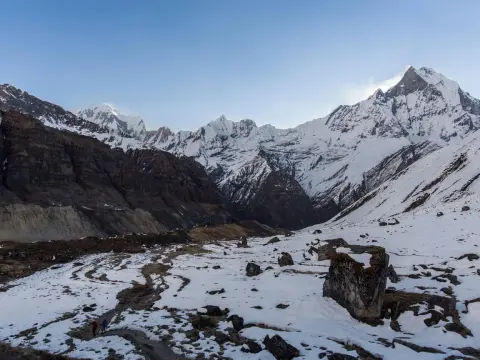
It is important for beginners to understand that trekking without proper permits is illegal and can lead to fines or restricted access to trails. Additionally, trekkers should respect local customs, wildlife, and the environment. Rules such as avoiding littering, staying on marked trails, and respecting village protocols help maintain the natural beauty and cultural integrity of Nepal. Mountain King Adventures assists beginners with all permits, guide arrangements, and regulations, ensuring a smooth and stress-free trekking experience.
Key points on trekking permits and rules:
By understanding the rules and securing the right permits, beginners can trek responsibly and safely, fully enjoying Nepal’s scenic landscapes and cultural encounters with peace of mind.
One of the most memorable aspects of trekking in Nepal is experiencing life on the trail. For beginners, understanding what to expect in terms of food, accommodation, and daily routines can make the journey more comfortable and enjoyable. Most popular trekking routes in Nepal are equipped with teahouses or lodges, which provide basic rooms, meals, and sometimes hot showers. While accommodations are generally simple, they are clean, safe, and offer opportunities to socialize with fellow trekkers and locals.
Food on trekking routes is typically hearty and calorie-rich to support long hours of walking. Popular dishes include dal bhat (lentil soup with rice), noodles, soups, and local breads. Many teahouses also serve continental dishes such as pasta, pancakes, and omelets to cater to international visitors. For beginners, it’s important to maintain proper hydration and eat balanced meals to keep energy levels up. Carrying small snacks such as energy bars, nuts, and chocolate can be helpful for midday boosts.
A typical day on the trail includes waking early, having breakfast, trekking for several hours, stopping for lunch, reaching the day’s destination, resting, and enjoying dinner with fellow trekkers. Beginners should pace themselves, take regular breaks, and listen to their bodies to prevent fatigue.
Key points for trail life:
Mountain King Adventures ensures first-time trekkers are guided to reliable teahouses, provided with meal options suitable for different dietary needs, and supported in adapting to life on the trail for a comfortable and memorable experience.
Safety is a priority for anyone trekking in Nepal, especially beginners who may be unfamiliar with high-altitude conditions and rugged trails. Common risks include altitude sickness, slips and falls, dehydration, and sudden weather changes. Understanding basic safety measures and avoiding frequent mistakes can prevent accidents and make trekking a positive experience. One key aspect is proper acclimatization. Even beginner-friendly treks can reach elevations where altitude sickness can occur. Gradual ascents, rest days, and staying hydrated are crucial.
Another important safety tip is choosing appropriate gear. Proper footwear, layered clothing, trekking poles, and a reliable backpack can prevent injuries and improve endurance. Avoiding overexertion, especially on steep sections, is also important. First-time trekkers often underestimate the physical demands of trekking and may attempt too much in a single day. Listening to your body, taking breaks, and not rushing will help prevent fatigue and injury.
Key safety tips and common mistakes:
Mountain King Adventures guides beginners with detailed safety briefings, altitude awareness tips, and real-time advice on trail conditions. Their experienced guides ensure trekkers can focus on the adventure while minimizing risk.
Trekking in Nepal is not only about natural beauty but also about encountering vibrant local cultures. Respecting local customs and communities enhances the experience and fosters positive relationships with the people who live in these remote areas. Most trekking trails pass through small villages where families run teahouses or shops. Observing local etiquette, dressing modestly, and being polite when taking photographs are essential practices for first-time trekkers.
Beginners should also be aware of religious and cultural sites, such as monasteries, prayer flags, and stupas. Avoid touching sacred objects without permission, remove shoes when entering temples, and respect prayer rituals. Engaging with locals through greetings, conversation, and simple gestures of appreciation strengthens the connection between trekkers and the communities they visit. Purchasing local goods or meals directly from villagers supports the local economy and encourages sustainable tourism.
Key points for cultural etiquette:
Mountain King Adventures educates trekkers about cultural etiquette before and during treks, ensuring that first-time visitors enjoy authentic experiences while respecting the values and traditions of local communities.
Budget planning is an important aspect of preparing for a trek in Nepal, especially for beginners who may be unfamiliar with local costs and logistics. Trekking expenses vary depending on the route, duration, level of accommodation, and additional services such as guides and porters. On average, a budget-friendly trek can cost $30–$50 per day, which includes meals, accommodation, permits, and guide services. Luxury or fully guided treks can cost significantly more, ranging from $60–$150 per day.
Permits, TIMS cards, and national park fees are essential costs that must be accounted for. Transportation to trailheads, such as flights to Lukla or buses to starting points, also needs budgeting. Extra expenses may include snacks, hot showers, phone or internet charges, souvenirs, and tips for guides and porters. For first-time trekkers, it is advisable to overestimate daily costs to allow flexibility for emergencies or unexpected needs.
Budgeting tips for beginners:
Mountain King Adventures provides clear cost breakdowns and helps beginners create realistic budgets based on their chosen trek, ensuring that financial concerns do not interfere with the adventure.
Trekking in Nepal is a life-changing experience that combines adventure, natural beauty, and cultural immersion. For first-time trekkers, the key to a successful journey is preparation, patience, and an open mind. Start with beginner-friendly treks, focus on gradual acclimatization, and trust experienced guides like Mountain King Adventures to navigate logistics, safety, and cultural engagement. Remember that trekking is not a race—taking time to enjoy the scenery, interact with locals, and appreciate each step is equally important as reaching the summit or endpoint.
Mental preparedness is as important as physical fitness. Beginners should expect challenges, such as fatigue, weather changes, or altitude adjustment, and approach them with flexibility and positivity. Staying hydrated, eating well, and pacing yourself will make the trek more enjoyable. Don’t forget to document your journey—photographs, journal entries, or simple reflections can become cherished memories for years to come.
Final tips for first-time trekkers:
Mountain King Adventures encourages first-time trekkers to embark on this journey with confidence and curiosity. With proper preparation, a positive mindset, and expert guidance, trekking in Nepal can become one of the most rewarding adventures of a lifetime.