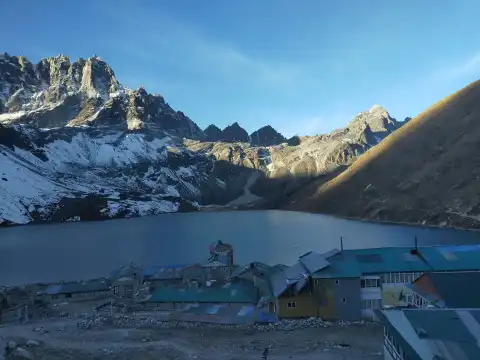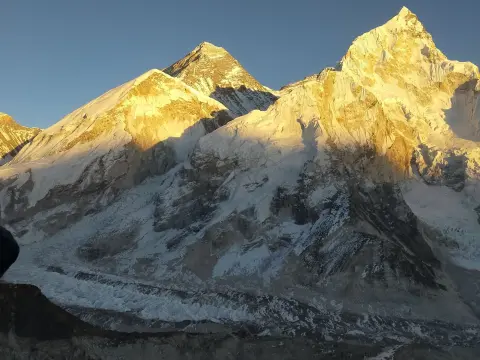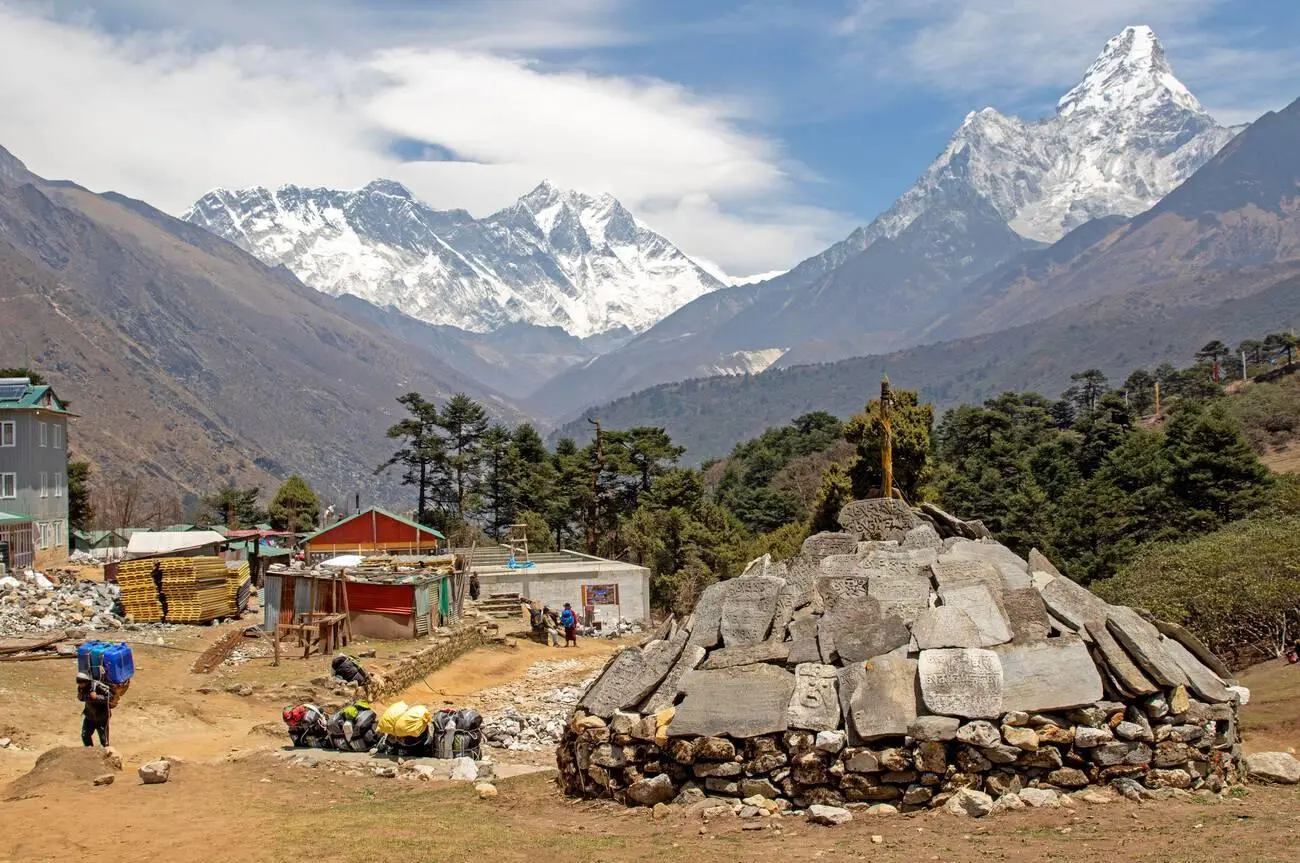
The Everest Panorama Trek is an ideal trekking adventure for travelers seeking the beauty of the Himalayas without the extreme challenges of high-altitude mountaineering. This trek offers spectacular views of some of the world’s tallest peaks, including Mount Everest (8,848m), Lhotse, Ama Dablam, and Thamserku. The trek begins in Kathmandu, where trekkers are introduced to Nepalese culture, history, and vibrant city life before heading to the Himalayan region via a scenic flight to Lukla. From Lukla, the journey takes you through charming Sherpa villages, lush forests, and terraced farmlands, providing a perfect mix of natural beauty and cultural immersion.
Along the trek, travelers experience the hospitality of local Sherpa communities in villages like Phakding, Namche Bazaar, Tengboche, and Khumjung. Each village offers a unique insight into daily life, traditions, and spiritual practices, including visits to monasteries such as the Tengboche Monastery, renowned for its stunning backdrop and religious significance. The trek also allows for proper acclimatization, reducing the risk of altitude sickness while still providing rewarding high-altitude views.
Organized by Mountain King Adventures, this trek guarantees experienced guides, well-planned itineraries, and comfortable accommodation arrangements, making it an unforgettable Himalayan experience.
The best time to undertake the Everest Panorama Trek is during the pre-monsoon (spring) and post-monsoon (autumn) seasons. Each season has distinct advantages for trekkers. Spring (March to May) brings blooming rhododendrons, lush green valleys, and moderate temperatures, making the landscapes particularly vibrant. During this period, the weather is generally stable, and the skies are clear, offering exceptional views of the Himalayan peaks.
Autumn (September to November) is considered the most popular trekking season. After the monsoon rains, the air is fresh and clear, providing unobstructed views of Everest and surrounding mountains. Temperatures are cooler than spring, and the trails are less muddy, ensuring easier trekking conditions. Autumn is also a great time for cultural experiences, as many local festivals take place during this season, allowing trekkers to witness Sherpa traditions firsthand.
Although winter (December to February) and monsoon (June to August) seasons are less recommended, winter offers a quiet trekking experience with fewer tourists, while monsoon poses challenges like heavy rainfall, slippery trails, and the risk of landslides.
Season highlights at a glance:
With Mountain King Adventures, travelers can plan their trek to align with these ideal seasons, ensuring both safety and breathtaking scenery throughout the journey.
The Everest Panorama Trek is classified as a moderate trek, making it accessible for beginners with reasonable fitness as well as seasoned trekkers. The trek does not require technical climbing skills or the use of specialized mountaineering equipment, but it does involve long daily walks at high altitudes, uneven terrain, and gradual acclimatization. Daily trekking hours range from 4 to 6 hours, allowing adequate time to rest, enjoy the scenery, and acclimatize to increasing elevation.
Key transportation details:
Trek difficulty highlights:
Mountain King Adventures ensures all logistics, including safe flights, experienced guides, and transportation arrangements, are professionally managed, providing a stress-free trekking experience.
One of the most enjoyable aspects of the Everest Panorama Trek is experiencing local cuisine and cozy teahouse accommodations. Along the trekking route, trekkers stay in teahouses or lodges, which provide basic but comfortable facilities, including warm beds, private or shared rooms, and common dining areas. These teahouses are usually family-run, offering an authentic glimpse into Sherpa hospitality.
Food during the trek combines Nepalese staples with international options. Common dishes include dal bhat (lentil soup with rice), momo (dumplings), noodles, soups, and seasonal vegetables. For trekkers needing familiar comfort food, many teahouses also serve pasta, eggs, and pancakes. Hot beverages like tea, coffee, and hot chocolate are readily available, which are essential for warming up during chilly mountain evenings.
Accommodation highlights:
Food highlights:
With Mountain King Adventures, all accommodation and meal arrangements are carefully selected to provide comfort, nutrition, and a touch of local flavor throughout the trek.
To embark on the Everest Panorama Trek, trekkers require two main permits, which ensure safety and support local conservation efforts. These permits are:
Both permits are typically arranged by trekking companies, relieving trekkers from the bureaucratic hassle. Mountain King Adventures handles all permit processes, including application, fees, and documentation, ensuring a seamless trekking experience.
Permit highlights:
Carrying these permits is mandatory, and trekkers are advised to keep them accessible throughout the journey. Guides from Mountain King Adventures ensure that all trekkers’ documentation is complete, allowing focus entirely on the adventure and scenery.
The Everest Panorama Trek is perfect for those seeking breathtaking Himalayan views, cultural experiences, and a moderate trekking challenge without the extreme altitudes of classic Everest Base Camp treks. Unlike high-altitude expeditions, this trek offers a more comfortable pace, proper acclimatization, and the opportunity to enjoy scenery and culture without excessive physical strain.
Reasons to choose this trek with Mountain King Adventures:
The trek is ideal for photography enthusiasts, nature lovers, and travelers who want an authentic Himalayan experience in a shorter timeframe. With Mountain King Adventures, trekkers receive expert guidance, safety, and personalized support, making the Everest Panorama Trek a truly unforgettable adventure.
Upon arrival at Tribhuvan International Airport in Kathmandu, you will be warmly welcomed by a representative from Mountain King Adventures. After clearing customs, you will be transferred to your comfortable hotel in the heart of the city. Take some time to relax, freshen up, and recover from your international flight. In the evening, there will be a short briefing about the trek, including an overview of the itinerary, tips on packing, and essential safety information. Dinner will be served at a traditional Nepali restaurant.
After breakfast, embark on a guided sightseeing tour of Kathmandu’s most famous cultural and historical landmarks. Visit UNESCO World Heritage Sites such as Swayambhunath Stupa (Monkey Temple), Pashupatinath Temple, and the Durbar Square in Kathmandu. Learn about the rich heritage, unique architecture, and spiritual traditions of Nepal from your knowledgeable guide. In the evening, enjoy a traditional Nepali dinner with cultural performances. This day also provides a final opportunity to buy trekking essentials, souvenirs, and stock up on snacks before the adventure begins.
Early in the morning, take a scenic flight from Kathmandu to Lukla, one of the world’s most famous mountain airstrips, surrounded by towering peaks. Upon arrival, meet your trekking crew and begin the trek towards Phakding. The trail follows the Dudh Koshi River, passing through small villages and suspension bridges, giving a gentle introduction to the trekking terrain. Enjoy stunning views of snow-capped peaks along the way and the vibrant local life. After around four hours of trekking, settle into your teahouse in Phakding for the night.
Today’s trek leads you to Namche Bazaar, the bustling Sherpa town and gateway to the high Himalayas. The trail ascends gradually through rhododendron forests and crosses the Dudh Koshi River several times. As you approach Namche, the iconic view of Mount Everest and surrounding peaks becomes visible. Take your time to soak in the alpine scenery, interact with local Sherpas, and visit small markets along the way. After six hours of trekking, arrive at Namche Bazaar and check into your teahouse, resting for the next day’s acclimatization.
Namche Bazaar sits at a high altitude, making today crucial for acclimatization. After breakfast, take a short hike to the nearby Everest View Hotel or the Sherpa Museum for panoramic views of Everest, Lhotse, and Ama Dablam. Explore the colorful local markets, try traditional tea, and learn about Sherpa culture. This gentle day allows your body to adjust to higher altitudes while still enjoying spectacular vistas. Return to your lodge in the late afternoon to rest, hydrate, and prepare for the upcoming days of trekking into higher regions.
Leaving Namche Bazaar behind, the trail gradually climbs through dense pine and rhododendron forests, with occasional views of towering peaks. Cross the Dudh Koshi River and pass through small Sherpa villages before reaching the renowned Tengboche Monastery. Perched on a ridge, Tengboche offers breathtaking views of Everest, Lhotse, Ama Dablam, and other Himalayan giants. Spend time exploring the monastery, observing monks in prayer, and learning about Tibetan Buddhism. After five hours of trekking, relax in your teahouse, enjoying the serene mountain environment and the panoramic sunset views.
Today, trek through beautiful alpine landscapes to Khumjung Village, a traditional Sherpa settlement. Along the way, witness terraced fields, prayer flags fluttering in the wind, and stone mani walls. Khumjung is famous for its monastery housing a purported yeti scalp and offers stunning views of Mount Ama Dablam. Explore the village, interact with locals, and learn about their daily lives and cultural traditions. The five-hour trek is moderately challenging but incredibly rewarding, and the overnight stay in a local lodge gives you a chance to experience authentic Sherpa hospitality.
Begin the descent back toward the lower Khumbu region, retracing part of the trail through Namche Bazaar. This descent allows for a more relaxed pace while still enjoying scenic vistas of the surrounding mountains. Pass through small villages, terraced fields, and suspension bridges as you follow the Dudh Koshi River downstream. Arrive at Monjo in the afternoon, where you can relax and enjoy the peaceful atmosphere of the village. This trek offers a perfect balance of stunning landscapes and cultural experiences before returning to the bustling town of Lukla.
The final day of trekking takes you from Monjo back to Lukla, the starting point of your high-altitude adventure. The trail passes through picturesque forests, wooden bridges, and friendly villages, providing a chance to bid farewell to the Khumbu region. Trekking for around six hours, you will arrive in Lukla in the late afternoon, where the trek officially concludes. Enjoy a celebratory meal with your trekking crew and take photographs with the stunning Himalayan backdrop. Overnight stay in Lukla teahouse before your return flight to Kathmandu.
Take an early morning flight back to Kathmandu, enjoying aerial views of Everest, Lhotse, and the surrounding peaks. Upon arrival, transfer to your hotel and spend the rest of the day relaxing or exploring Thamel, Kathmandu’s vibrant tourist hub. This is a perfect opportunity to shop for souvenirs, enjoy a traditional Nepali meal, or simply unwind after the adventure. In the evening, Mountain King Adventures may host a farewell dinner, celebrating your successful trek and the unforgettable memories created along the way.
After breakfast, check out of your hotel and transfer to Tribhuvan International Airport for your onward flight. Reflect on your incredible journey through the Everest region, the breathtaking panoramas, and the cultural experiences that made this trek unforgettable. Mountain King Adventures ensures a smooth departure, helping with any last-minute arrangements or travel needs. As you leave Nepal, take with you the memories of the Himalayan landscapes, Sherpa hospitality, and the triumph of completing the Everest Panorama Trek.
Clothing
Handwear
Footwear
Gear
Miscellaneous
The Everest Panorama Trek is a moderate trek designed to provide trekkers with spectacular views of the Himalayan peaks, including Mount Everest, without the need for extensive mountaineering experience. It is ideal for adventure seekers, nature lovers, and cultural enthusiasts who want to experience the beauty of the Khumbu region in a relatively short time. Mountain King Adventures ensures that the trek is accessible to those with moderate fitness levels, and our experienced guides provide support and guidance throughout the journey.
The Everest Panorama Trek is considered a moderate trek. While it does not require technical climbing skills, trekkers should have good stamina and be able to walk for several hours each day on uneven and sometimes steep terrain. Acclimatization days are built into the itinerary to help prevent altitude sickness. Mountain King Adventures provides pre-trek guidance, fitness tips, and a supportive crew to ensure that both beginners and moderately experienced trekkers can complete the journey safely and enjoyably.
No prior trekking experience is necessary for the Everest Panorama Trek. However, a basic level of fitness is recommended because the trek involves several hours of walking each day at moderate altitudes. Mountain King Adventures offers detailed guidance on preparation, including walking exercises and packing advice, to help first-time trekkers feel confident. Our experienced guides provide step-by-step support, ensuring that even novice trekkers can safely navigate trails, enjoy breathtaking mountain views, and immerse themselves in Sherpa culture.
Altitude sickness is a concern above 3,000 meters, but the Everest Panorama Trek is carefully planned with acclimatization days to help your body adjust. Mountain King Adventures emphasizes slow trekking, proper hydration, and gradual altitude gain. Trekkers are advised to recognize symptoms such as headache, nausea, or fatigue and inform guides immediately. Our guides carry oxygen and first-aid supplies, and in rare cases, descent to a lower altitude may be recommended. Following guidelines strictly ensures a safe and enjoyable trek.
Mobile connectivity and Wi-Fi are available in some teahouses and lodges along the Everest Panorama Trek, especially in larger villages like Namche Bazaar. However, the network can be inconsistent and limited in remote areas. Mountain King Adventures recommends using this opportunity to disconnect from digital distractions and fully enjoy the natural surroundings. Guides carry satellite phones for emergencies, ensuring safety and communication with Kathmandu or rescue services if needed, allowing trekkers to stay connected to support when absolutely necessary.
The best time to embark on the Everest Panorama Trek is during the pre-monsoon (spring: March to May) and post-monsoon (autumn: September to November) seasons. During these periods, the weather is generally stable, skies are clear, and mountain views are at their best. Spring offers blooming rhododendrons, while autumn provides crisp air and vibrant landscapes. Mountain King Adventures carefully plans departures to ensure trekkers experience optimal conditions while avoiding extreme weather or heavy tourist crowds.
During the Everest Panorama Trek, trekkers stay in comfortable teahouses and lodges along the trail, which offer basic but clean rooms with shared or private bathrooms depending on availability. Meals typically include traditional Nepali dishes, such as dal bhat, noodles, soups, and fresh local vegetables. Mountain King Adventures ensures that all dietary preferences, including vegetarian options, are accommodated. Hot showers may not be available everywhere, but the warmth of hospitality and the stunning mountain views make up for any modest amenities.
Packing appropriately is crucial for a comfortable trek. Essentials include layered clothing for varying temperatures, a warm jacket, trekking boots, a hat, gloves, a sleeping bag, water bottles, trekking poles, and personal toiletries. Sunglasses and sunscreen are important due to high-altitude UV exposure. Mountain King Adventures provides a comprehensive packing list before departure, including tips for minimizing weight while maximizing safety and comfort, ensuring trekkers are well-prepared for cold nights, sunny days, and unpredictable weather conditions along the trail.
The trek begins with a scenic flight from Kathmandu to Lukla, which is known for its dramatic runway and breathtaking views of the Himalayas. Mountain King Adventures arranges all flights, permits, and transfers to ensure a smooth start. Upon arrival in Lukla, trekkers meet their guides and crew, who assist with the trek orientation and luggage distribution. The flight itself is an iconic experience, offering unparalleled views of snow-capped peaks and deep river valleys, marking the thrilling beginning of the Everest Panorama Trek.
Mountain King Adventures prioritizes trekker safety above all else. Our experienced guides are trained in first aid, emergency response, and high-altitude trekking procedures. Trekkers receive detailed pre-trek briefings about altitude sickness, weather hazards, and trekking techniques. All treks are equipped with first-aid kits, oxygen, and communication devices. We maintain close contact with local authorities and can arrange emergency evacuation if required. Our structured itinerary, professional support team, and commitment to responsible trekking ensure that every adventurer enjoys a secure and unforgettable journey in the Everest region.
| No of people | Price per person |
|---|---|
| 1 - 1 | $1,550 |
| 2 - 4 | $1,435 |
| 5 - 9 | $1,420 |
| 10 - 15 | $1,405 |