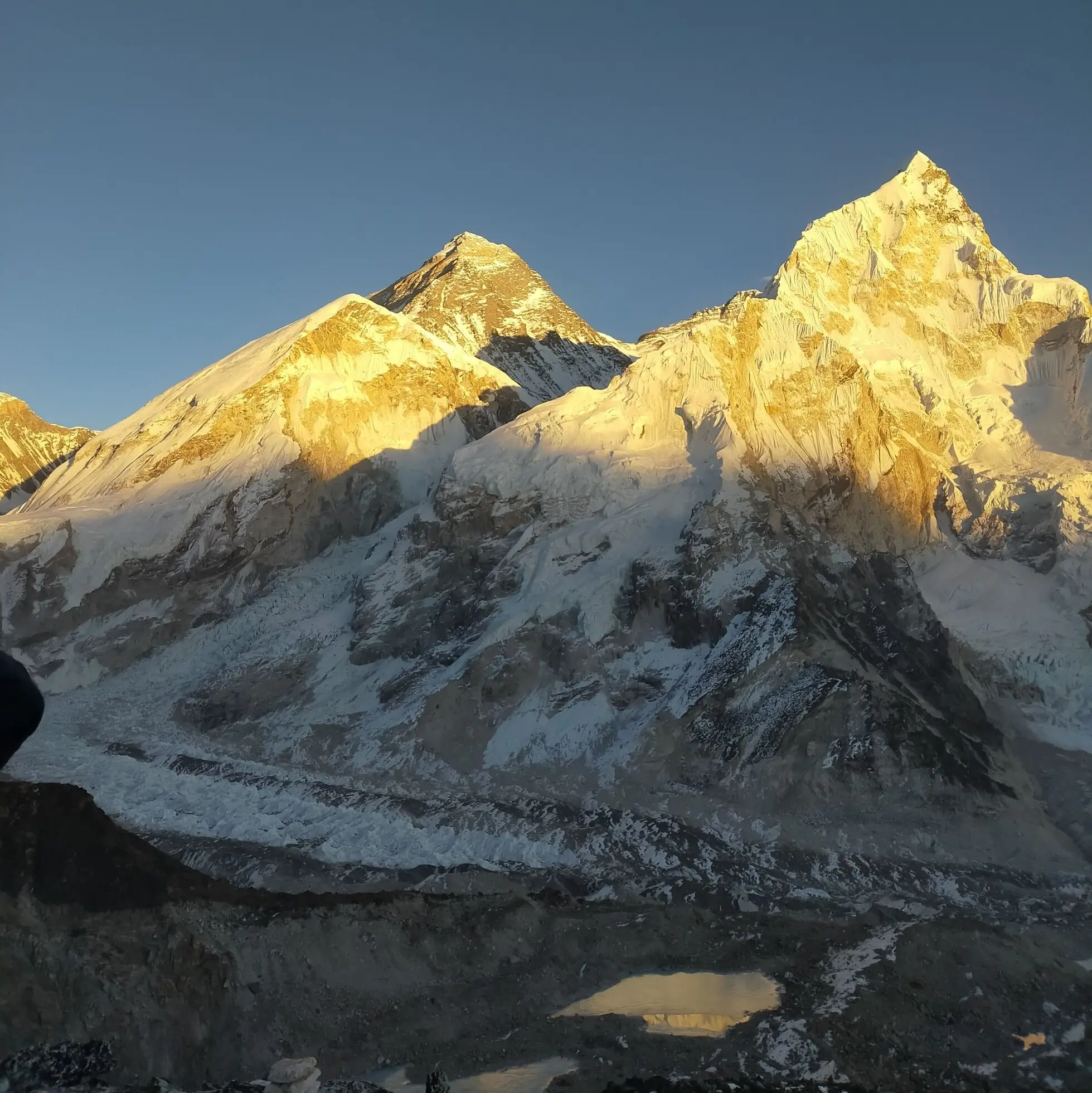
The Everest Base Camp Trek via Gokyo Lake is one of the most scenic and adventurous trekking routes in the Khumbu region of Nepal. This journey combines the classic Everest Base Camp trail with the breathtaking beauty of the turquoise Gokyo Lakes and the dramatic crossing of the Cho La Pass (5,420 m). Designed for trekkers seeking both iconic landmarks and quieter alpine landscapes, this route offers a deeper Himalayan experience than the standard Everest Base Camp trek.
Organized by Mountain King Adventures, this 18-day trek begins in Kathmandu and includes a thrilling flight to Lukla, gradual ascents through Sherpa villages, and well-planned acclimatization days. Trekkers explore Namche Bazaar, the cultural heart of the Khumbu, before heading west toward the pristine Gokyo Valley. The trek features panoramic views of Everest, Lhotse, Makalu, Cho Oyu, and countless glaciers. Highlights include hiking to Gokyo Ri, visiting Everest Base Camp, and climbing Kala Patthar for sunrise views.
What makes this trek special is its balance of natural beauty, cultural immersion, and physical challenge. Ancient monasteries, prayer flags, yak pastures, and glacial lakes create a constantly changing landscape. With experienced guides, flexible pacing, and strong logistical support, Mountain King Adventures ensures safety, comfort, and an unforgettable Himalayan adventure.
Choosing the right season is essential for a successful Everest Base Camp Trek via Gokyo Lake, as weather and trail conditions directly affect safety and enjoyment. The two best seasons are spring (March–May) and autumn (September–November). During these months, the skies are clear, temperatures are moderate, and mountain views are at their best.
Spring is especially popular because of blooming rhododendron forests, longer daylight hours, and relatively stable weather. This season also coincides with Everest climbing expeditions, adding excitement to the trail. Autumn, on the other hand, offers crisp air, excellent visibility, and dry trails following the monsoon season. The landscape is lush, and cultural festivals like Dashain and Tihar enhance the trekking experience.
Winter trekking (December–February) is possible but challenging due to extreme cold and heavy snow on high passes like Cho La. Summer (June–August) is least recommended because of monsoon rains, slippery trails, and flight delays to Lukla. Mountain King Adventures schedules treks primarily during optimal seasons to ensure safety, comfort, and unforgettable views.
Best Time Summary
The Everest Base Camp Trek via Gokyo Lake is considered moderate to challenging, mainly due to altitude, long trekking days, and the crossing of Cho La Pass. While no technical climbing skills are required, trekkers should have good physical fitness, mental resilience, and prior trekking experience. Daily walks range from 5 to 7 hours, often on rocky and uneven terrain.
Altitude is the biggest challenge, with elevations exceeding 5,000 meters. Mountain King Adventures carefully plans acclimatization days in Namche Bazaar and Gokyo to reduce the risk of altitude sickness. Guides closely monitor trekkers’ health and adjust the pace as needed. With proper preparation, most determined trekkers can successfully complete this adventure.
Transportation includes a scenic flight from Kathmandu to Lukla, one of the world’s most exciting mountain flights. All ground transportation in Kathmandu is arranged by Mountain King Adventures, ensuring comfort and reliability. In case of flight delays, alternative options like helicopter transfers can be arranged.
Difficulty & Transport Points
Food and accommodation during the Everest Base Camp Trek via Gokyo Lake are provided in traditional teahouses, offering a warm and authentic Himalayan experience. Rooms are simple but comfortable, typically twin-sharing with basic bedding. At higher altitudes, facilities become more basic, yet cleanliness and hospitality remain excellent.
Meals are freshly prepared and carb-rich to support trekking energy needs. Common dishes include dal bhat, noodles, rice, soups, potatoes, momos, eggs, and pancakes. Mountain King Adventures recommends eating local meals, which are nutritious and hygienic. Vegetarian options are widely available, and special dietary needs can be accommodated with prior notice.
In Kathmandu, trekkers stay in comfortable hotels with private bathrooms, Wi-Fi, and breakfast included. While on the trek, hot showers, charging facilities, and Wi-Fi may be available for an extra cost. Despite the simplicity, the mountain teahouse experience adds charm and cultural depth to the journey.
Food & Stay Highlights
To legally trek in the Everest region, trekkers must obtain specific permits. Mountain King Adventures handles all permit arrangements, ensuring a hassle-free experience. The primary permits required are the Sagarmatha National Park Entry Permit and the Khumbu Pasang Lhamu Rural Municipality Permit.
The Sagarmatha National Park Permit supports conservation efforts and protects the fragile Himalayan ecosystem. The local municipality permit replaces the old TIMS card and is mandatory for all trekkers entering the Khumbu region. These permits are checked at various checkpoints along the trail.
All permits are arranged in Kathmandu before the trek begins. Trekkers only need to provide passport copies and photos. With Mountain King Adventures, you can focus on enjoying the journey while all administrative tasks are handled professionally.
Permit Checklist
Choosing Mountain King Adventures for your Everest Base Camp Trek via Gokyo Lake means choosing safety, expertise, and personalized service. With experienced local guides, well-planned itineraries, and strong emergency protocols, the company ensures a smooth and memorable trekking experience.
Mountain King Adventures focuses on small groups, allowing better acclimatization, flexibility, and individual attention. Their guides are trained in altitude awareness, first aid, and local culture, enhancing both safety and learning. Ethical trekking practices, fair treatment of porters, and eco-friendly values are central to their operations.
The Gokyo route itself offers fewer crowds, stunning lakes, and broader mountain views compared to the classic route. Combined with Mountain King Adventures’ professional support, this trek becomes a once-in-a-lifetime Himalayan journey filled with adventure, culture, and natural beauty.
Why Mountain King Adventures
Upon arrival at Tribhuvan International Airport, you will be warmly welcomed by a representative of Mountain King Adventures, who will assist with immigration formalities and luggage before transferring you to your hotel in Kathmandu. After check-in, you can rest from your journey or take a short walk around the lively streets of Thamel, known for trekking shops, cafés, and cultural charm. In the evening, there will be a brief welcome meeting where the trek overview is discussed, including safety guidelines, altitude awareness, and expectations for the journey ahead. This day allows you to recover from travel while soaking in the vibrant atmosphere of Nepal’s capital.
Today is dedicated to exploring the cultural and historical treasures of the Kathmandu Valley while finalizing preparations for the trek. Guided sightseeing includes UNESCO World Heritage Sites such as Swayambhunath (Monkey Temple), Pashupatinath Temple, and Boudhanath Stupa, offering deep insight into Nepal’s Hindu and Buddhist traditions. In the afternoon, you will return to the hotel for a thorough trek briefing with Mountain King Adventures guides. Final gear checks are conducted, permits are verified, and any missing equipment can be rented or purchased. This day ensures both cultural enrichment and complete readiness for the Himalayan adventure ahead.
Early in the morning, you will fly from Kathmandu to Lukla, enjoying a thrilling scenic flight with panoramic mountain views. Upon landing at the famous Tenzing-Hillary Airport, you will meet the trekking crew and begin your trek toward Phakding. The trail descends gently through charming Sherpa villages, prayer wheels, mani stones, and suspension bridges draped with prayer flags. Walking alongside the Dudh Koshi River, the hike is relatively short and enjoyable, allowing time to adapt to the trail environment. Overnight in a comfortable teahouse at Phakding, surrounded by alpine scenery.
The trek continues along the Dudh Koshi River, crossing several suspension bridges, including the iconic Hillary Suspension Bridge. The trail passes through pine forests and small settlements before reaching the entrance of Sagarmatha National Park, where permits are checked. From here, the ascent becomes steeper as you climb toward Namche Bazaar. On a clear day, you may catch your first glimpse of Mount Everest along the way. Namche Bazaar, the bustling Sherpa capital, offers modern amenities, bakeries, and mountain views. This day is challenging but rewarding, setting the tone for higher-altitude trekking.
Acclimatization is crucial for a safe trek, and today is dedicated to helping your body adjust to the altitude. Mountain King Adventures guides will lead a short hike to viewpoints such as Everest View Hotel or Syangboche, offering stunning panoramas of Everest, Lhotse, and Ama Dablam. After returning to Namche, you can explore local markets, visit the Sherpa Museum, or relax at a café. The gradual ascent and descent strategy helps reduce the risk of altitude sickness while providing valuable insight into Sherpa culture and Himalayan mountaineering history.
Leaving Namche Bazaar, the trail contours along hillsides with spectacular views of snow-capped peaks and deep valleys. The route passes through rhododendron and juniper forests, gradually ascending toward Mong La Pass before descending to Phortse Tenga. After a lunch stop, the trail climbs steadily through alpine landscapes to reach Dole. This section is quieter and less crowded, marking the transition toward the Gokyo Valley. Dole is a peaceful settlement with cozy teahouses, ideal for rest and reflection. The crisp mountain air and increasing altitude make this an important acclimatization stage.
Today’s trek continues gradually upward through open alpine terrain with expansive mountain views. The trail follows the Dudh Koshi River upstream, passing yak pastures and seasonal herder settlements. As you gain altitude, vegetation becomes sparser, and the landscape more rugged and dramatic. Machhermo is a small village nestled beneath towering peaks, known for its quiet atmosphere and excellent acclimatization environment. In the afternoon, guides from Mountain King Adventures may provide an altitude awareness talk, reinforcing safety measures. The day is relatively short, allowing time to rest and enjoy the surrounding Himalayan serenity.
The trek to Gokyo is one of the most scenic days of the journey. The trail ascends past grazing lands and moraines, offering views of Cho Oyu, one of the world’s highest mountains. You will pass the first and second Gokyo lakes, their turquoise waters reflecting the surrounding peaks. Upon reaching Gokyo village, situated beside the third lake, you will be rewarded with breathtaking scenery unlike anywhere else in the Everest region. The peaceful atmosphere and striking colors of the lakes make this a highlight of the trek. Overnight in Gokyo with stunning views.
This acclimatization day includes an optional early-morning hike to Gokyo Ri, one of the finest viewpoints in the Khumbu region. The ascent is steep but rewarding, offering panoramic views of Everest, Lhotse, Makalu, Cho Oyu, and the vast Ngozumpa Glacier. After descending back to Gokyo, the rest of the day is spent resting or exploring the surrounding lakes. This day is essential for altitude adjustment and provides unforgettable photographic opportunities. Mountain King Adventures ensures a relaxed pace, prioritizing safety while maximizing the experience of this remarkable high-altitude environment.
Leaving Gokyo behind, the trail crosses the expansive Ngozumpa Glacier, the longest glacier in Nepal. The walk is adventurous and unique, with rugged terrain and dramatic ice formations. Careful footing is required as you traverse the rocky moraine toward Thagnak. Though the distance is not long, the terrain makes this a demanding day. Thagnak is a small settlement used primarily as a base for crossing the Cho La Pass. The afternoon is spent resting and preparing for the challenging high pass crossing the following day.
This is one of the most challenging and rewarding days of the trek. An early start is essential as you ascend steeply toward Cho La Pass, navigating rocky trails and, depending on the season, icy sections. Upon reaching the pass, stunning views of surrounding peaks and glaciers unfold. After taking time to rest and take photos, you descend carefully toward Dzongla. The descent can be steep and requires focus, but the dramatic landscapes make the effort worthwhile. This high-altitude crossing is a true adventure highlight organized with expert guidance from Mountain King Adventures.
Today’s trek is relatively moderate, allowing recovery after the demanding Cho La Pass crossing. The trail contours along the mountainside with views of Ama Dablam, Cholatse, and the Khumbu Glacier. You will eventually join the main Everest Base Camp route at Lobuche, where trekkers from different trails converge. Lobuche is a high-altitude settlement surrounded by towering peaks and glacial landscapes. The afternoon is spent resting, hydrating, and preparing for the final push toward Everest Base Camp. The sense of anticipation grows as you approach the heart of the Everest region.
The trek continues along the Khumbu Glacier toward Gorak Shep, the last settlement before Everest Base Camp. After checking into the teahouse and having lunch, you will hike to Everest Base Camp itself. The trail is rocky and challenging, but reaching Base Camp is an emotional and rewarding experience. You will stand beneath the world’s highest mountain, surrounded by icefalls and legendary climbing routes. After spending time at Base Camp, you return to Gorak Shep for overnight. This day marks a major milestone of the trek with Mountain King Adventures.
An early morning hike to Kala Patthar offers the best sunrise views of Mount Everest and surrounding peaks. The climb is steep but short, and the panoramic views from the top are unforgettable. After descending back to Gorak Shep for breakfast, you begin a long descent to Pheriche. The lower altitude brings noticeable relief, and the trail passes through glacial valleys and alpine landscapes. Pheriche is home to a Himalayan rescue aid post and offers a comfortable place to rest after a demanding yet spectacular day.
Today’s trek retraces familiar paths as you descend through Pangboche and Tengboche, passing the famous Tengboche Monastery. The trail winds through forests and across suspension bridges, with decreasing altitude making the walk more comfortable. Returning to Namche Bazaar feels like coming back to civilization, with access to bakeries, shops, and hot showers. This is a great opportunity to relax, celebrate the achievements of the trek, and reflect on the incredible journey through the Everest and Gokyo regions with Mountain King Adventures.
The final trekking day involves a long descent from Namche Bazaar to Lukla. The trail crosses rivers, forests, and villages encountered earlier in the journey. While mostly downhill, there are some short uphill sections that require energy. Reaching Lukla marks the completion of the trek, and the evening is often filled with celebration and gratitude toward guides and porters. A farewell dinner is typically arranged, allowing trekkers to reflect on shared experiences and the unforgettable adventure in the Himalayas.
After breakfast, you will board an early flight from Lukla back to Kathmandu. The short yet scenic flight offers one last aerial view of the Himalayan landscape. Upon arrival, you are transferred to your hotel, where you can rest or explore the city at your own pace. The afternoon is free for souvenir shopping, relaxation, or optional cultural activities. In the evening, Mountain King Adventures may host a farewell dinner, celebrating the successful completion of the Everest Base Camp Trek via Gokyo Lake.
On your final day, a representative from Mountain King Adventures will transfer you to Tribhuvan International Airport for your onward journey. As you depart Nepal, you carry unforgettable memories of towering mountains, serene lakes, rich Sherpa culture, and personal achievement. This journey through the Everest and Gokyo regions is not just a trek but a life-changing experience that combines natural beauty, cultural depth, and adventure. We wish you a safe journey home and hope to welcome you again for future Himalayan explorations.
Clothing
Handwear
Footwear
Gear
Miscellaneous
The trek is considered moderately to highly challenging due to high altitudes, long walking days, and rugged terrain, especially when crossing Cho La Pass. A reasonable level of physical fitness, endurance, and prior trekking experience is recommended. While the trail involves gradual ascents and descents, the high-altitude environment can cause fatigue and altitude sickness. Mountain King Adventures provides trained guides who monitor acclimatization, adjust pacing, and offer support throughout the trek, ensuring both safety and enjoyment even for first-time high-altitude trekkers.
The trek typically lasts 18 to 20 days, depending on the itinerary and acclimatization schedule. The route includes the classic Everest Base Camp trail, an excursion to the Gokyo Lakes, and an optional hike to Gokyo Ri for panoramic views. Mountain King Adventures customizes itineraries based on fitness levels, group size, and preferences, ensuring enough time for acclimatization and rest while allowing trekkers to fully experience the natural beauty, Sherpa culture, and unique landscapes of the Khumbu region.
No previous trekking experience is strictly required, but some prior hiking or endurance activity is helpful. The trek involves daily walking for 5–8 hours on uneven terrain and at high altitudes, requiring stamina, balance, and mental resilience. Mountain King Adventures provides a pre-trek briefing with training tips and advice on physical preparation, packing essentials, and altitude management. Their expert guides also accompany all trekkers, ensuring those without prior high-altitude trekking experience can safely enjoy the journey.
The best time to trek to Everest Base Camp via Gokyo Lake is during the pre-monsoon (spring: March to May) and post-monsoon (autumn: late September to November) seasons. During these periods, the weather is generally stable, skies are clear, and mountain views are breathtaking. Spring offers blooming rhododendrons and lush greenery, while autumn has crisp, clear air and vibrant blue skies. Mountain King Adventures ensures your trek is planned during these optimal months to maximize safety, scenery, and overall trekking experience.
Trekking accommodations are mostly teahouses and lodges in villages along the route. Rooms are typically shared, with basic bedding and simple furnishings. Hot showers may be limited at higher elevations, and electricity is often available via solar panels. Mountain King Adventures selects quality teahouses that are clean, comfortable, and strategically located for acclimatization and rest. Guides assist with check-ins and ensure trekkers’ needs are met, balancing comfort with the immersive experience of Himalayan village life.
Teahouses offer a mix of local Nepali cuisine and basic Western options. Popular dishes include dal bhat (lentil soup with rice), noodles, soups, and pancakes. Meals are filling and provide essential calories needed for trekking at high altitudes. Mountain King Adventures ensures trekkers have access to clean, nutritious, and safe meals, advising on hydration and snacks for energy during long hikes. Special dietary requirements can often be accommodated with advance notice, allowing all trekkers to enjoy a balanced diet while on the trail.
Packing appropriately is crucial for comfort, safety, and success. Essentials include layered clothing for warmth, waterproof gear, sturdy trekking boots, gloves, hats, sunglasses, a sleeping bag rated for cold temperatures, and trekking poles. Snacks, personal medications, and a refillable water bottle are also recommended. Mountain King Adventures provides a detailed packing list and guidance to ensure trekkers bring the right gear, minimizing unnecessary weight while preparing for temperature fluctuations, snow, and rugged trail conditions encountered during this high-altitude adventure.
Trekking at high altitudes carries inherent risks, including altitude sickness, which can range from mild headaches to more serious conditions. Mountain King Adventures prioritizes safety by implementing gradual acclimatization days, monitoring health symptoms, and providing emergency protocols. Guides are trained in first aid and altitude awareness, and evacuation options are available if necessary. With proper pacing, hydration, and adherence to guide advice, trekkers can safely enjoy the stunning landscapes and experience the Himalayan adventure with confidence.
A moderate to high level of physical fitness is recommended. Daily treks range from 4 to 8 hours on uneven terrain, with some steep ascents and descents, especially near Cho La Pass and Kala Patthar. Cardiovascular endurance, leg strength, and stamina are important for handling long walking days. Mountain King Adventures offers pre-trek fitness guidelines, including hiking, cardio, and strength exercises to prepare your body for sustained trekking at high altitudes, ensuring you can complete the trek safely and comfortably.
Yes, Mountain King Adventures provides experienced trekking guides and porters to assist throughout the journey. Guides are knowledgeable about the trail, culture, and altitude safety, ensuring smooth logistics and enriching the trek with local insights. Porters can carry your main luggage, allowing you to focus on trekking comfortably. Hiring guides and porters enhances safety, efficiency, and overall enjoyment, making the Everest Base Camp via Gokyo Lake trek accessible even for those who prefer minimal personal load and maximum support.
Yes, trekkers must have a Sagarmatha National Park permit and a Trekkers’ Information Management System (TIMS) card to enter the Everest region. These permits regulate trekking activity, support local conservation, and ensure trekkers’ safety. Mountain King Adventures handles the application and acquisition of all necessary permits, providing trekkers with peace of mind and hassle-free compliance with government regulations. Carrying permits is mandatory, and guides ensure they are checked at various checkpoints along the route.