★★ Join our fixed departure treks, and get discounts! ★★
Mountain King Adventures
0
Join our fixed departure groups.

Mera Peak Climbing

  • Best price guaranteed
  • No booking fees
  • Book Now, Pay Later
Mera Peak Climbing
Days
18
  • Best price guaranteed
  • No booking fees
  • Book Now, Pay Later
Share
Print
Max. Elevation
6,461 m / 21,197 ft
Group size
Min 1+
Transportation
Domestic flight and all ground transportation as per itinerary
Best Season
Mar - May, Sep - Nov
Starts at / Ends at
Kathmandu / Kathmandu
Accomodation
Hotel in Kathmandu and Tea House / Lodge / Camp during the trek
Meals
Breakfast in Kathmandu and all meals during the trek

Highlights

  • Summit of Mera Peak (6,461m / 21,199ft), one of Nepal’s highest trekking peaks
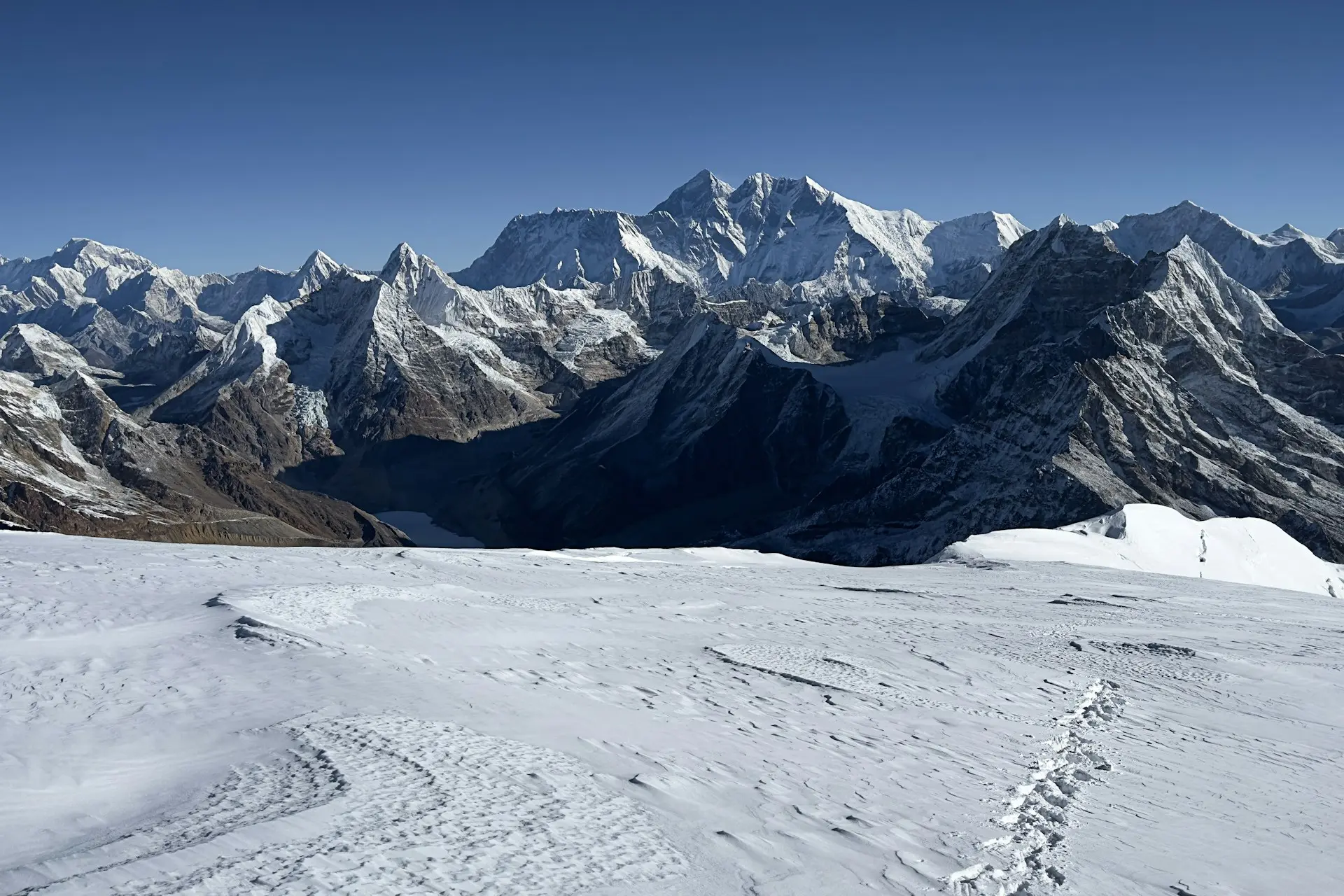
  • Panoramic views of five 8,000m peaks: Everest, Lhotse, Makalu, Cho Oyu, and Kanchenjunga
  • Non-technical high-altitude climb, suitable for trekkers with basic mountaineering skills
  • Trek through picturesque Sherpa villages and the Khumbu Valley
  • Acclimatization at Khare and pre-climb training at high camps
  • Glacier and ice slope experience with crampons and ice axes
  • Cultural exposure to Sherpa traditions and Himalayan lifestyle

Overview

Mera Peak, standing at 6,461 meters (21,199 ft), is one of the most popular trekking peaks in Nepal. It is located in the Khumbu region and offers climbers breathtaking views of the world’s highest mountains, including Mount Everest, Kanchenjunga, Lhotse, Makalu, and Cho Oyu. Unlike technical peaks, Mera Peak is considered a non-technical climb, making it an ideal choice for trekkers looking to experience high-altitude mountaineering without advanced technical skills. The climb blends trekking with gradual acclimatization, offering a perfect balance of adventure, culture, and natural beauty.

The journey usually begins with arrival in Kathmandu, followed by a flight to Lukla, and then a multi-day trek through picturesque Sherpa villages and serene valleys. Mountain King Adventures ensures a well-organized itinerary with proper acclimatization days to help climbers adjust to the altitude, significantly reducing the risk of altitude sickness. The climb includes trekking through Paiya, Panggom, Ningsow, Chhatra Khola, and Kothe, with a final summit push from Mera High Camp. The expedition provides both the thrill of reaching a Himalayan summit and the experience of local culture in remote villages.

  • Non-technical but challenging high-altitude climb
  • Spectacular panoramic views of five 8,000-meter peaks
  • Cultural experiences in Sherpa villages
  • Professionally guided by Mountain King Adventures

Best Season for Mera Peak Climbing

The ideal seasons for climbing Mera Peak are spring (March to May) and autumn (September to November). During these months, the weather is generally stable, skies are clear, and temperatures are moderate, allowing for safer trekking and summit attempts. Spring offers blooming rhododendrons and lush valleys, while autumn provides crisp, clear skies with stunning visibility of surrounding peaks. Winter climbs are possible but not recommended for beginners due to extremely cold conditions, snow, and potential avalanches.

Mountain King Adventures emphasizes planning the trek during these optimal seasons to ensure maximum safety, comfort, and enjoyment. During the peak seasons, climbers experience both scenic landscapes and vibrant Sherpa culture, making the expedition more rewarding. Additionally, these months have fewer monsoon risks, reducing the chances of landslides or trail disruptions during the trek.

Season Highlights:

  • Spring: Rhododendron blooms and moderate temperatures
  • Autumn: Clear skies and stunning mountain views
  • Minimal risk of heavy snow or rainfall
  • Ideal trekking conditions for acclimatization

Mera Peak Climbing Difficulty and Transportation

Although Mera Peak is classified as a trekking peak, it presents a moderate to challenging climb, particularly at higher altitudes above 5,000 meters. The climb involves long trekking days, altitude acclimatization, and a final summit push that requires good physical fitness and stamina. The route has glacier sections, rocky terrain, and ice slopes, requiring basic mountaineering skills such as using crampons and ice axes, which Mountain King Adventures provides training for during the expedition.

Transportation to Mera Peak starts with an international flight to Kathmandu, followed by a domestic flight to Lukla, which is the gateway to the Khumbu region. From Lukla, trekkers hike through scenic trails to reach base camps and high camps. Mountain King Adventures handles all logistics, including airport transfers, flights, and trekking permits, ensuring a smooth journey from arrival to the summit.

Key Points:

  • Moderate to challenging trek with high-altitude climbing
  • Requires good fitness and stamina
  • Glacier and rocky sections in higher camps
  • Airport transfers, domestic flights, and trekking handled by Mountain King Adventures

Food and Accommodation for Mera Peak Climbing

During the trek and climb, accommodation is typically in teahouses and lodges, with basic but comfortable facilities. Mountain King Adventures ensures climbers have safe and clean places to rest each night, with options for warm showers where available. High-altitude camps, like Khare and Mera High Camp, are equipped with tents for overnight stays and climbing preparations.

Food during the trek focuses on nutritious, high-energy meals, including local Nepali dishes like dal bhat, noodles, rice, soups, and pasta. At higher camps, food is more limited due to logistics, but the expedition team carries essential supplies to provide adequate nutrition and hydration for climbers. Mountain King Adventures emphasizes balanced meals to maintain energy and support acclimatization throughout the climb.

Highlights:

  • Teahouses and lodges for trekking days
  • Tented camps at high altitudes
  • Nutritious meals and high-energy snacks
  • Clean drinking water and hydration support

Mera Peak Climbing Permits

Climbing Mera Peak requires several permits, which are arranged by Mountain King Adventures to streamline the process. These include:

  • TIMS Card (Trekkers’ Information Management System)
  • Sagarmatha National Park Entry Permit
  • Peak Climbing Permit from the Nepal Mountaineering Association (NMA)

Obtaining these permits ensures legal access to the climbing region and supports conservation efforts in the Himalayas. Mountain King Adventures handles all the paperwork, fees, and official approvals, allowing climbers to focus entirely on preparation and the climb itself.

Permit Summary:

  • TIMS Card for trekking
  • Sagarmatha National Park Entry
  • Peak Climbing Permit from NMA
  • Managed fully by Mountain King Adventures

Why Choose Mera Peak Climbing

Mera Peak is an excellent choice for climbers seeking a high-altitude summit without technical difficulties. The climb provides a perfect mix of adventure, culture, and breathtaking scenery. With proper acclimatization days, expert guidance, and logistical support, climbers have a high success rate. Mountain King Adventures offers professional guides, experienced Sherpa support, and fully organized itineraries to maximize safety and enjoyment.

Choosing Mera Peak also gives adventurers the chance to witness the majestic Himalayan landscape up close, experience Sherpa culture, and achieve the satisfaction of climbing a 6,000-meter peak. It’s an unforgettable experience that combines trekking, mountaineering, and cultural immersion, all guided by a reliable company like Mountain King Adventures.

Why Mera Peak with Mountain King Adventures:

  • Expert guides and Sherpa support
  • High success rate with proper acclimatization
  • Safe, well-organized itinerary
  • Stunning Himalayan panoramas and cultural experience

Trip Itinerary

Upon arrival at Tribhuvan International Airport in Kathmandu, you will be warmly welcomed by the Mountain King Adventures team. You will then be transferred to your hotel where you can rest after your international journey. The afternoon and evening are free for relaxation, giving you a chance to adjust to the local time zone. This day is perfect for getting a first glimpse of the vibrant city, exploring nearby streets, or simply enjoying the hotel’s amenities. A briefing on the trek will also be provided in the evening.
Today, you will explore Kathmandu’s cultural and historical landmarks, including the UNESCO World Heritage sites of Swayambhunath Stupa, Durbar Square, and Pashupatinath Temple. Mountain King Adventures will ensure all trekking permits, TIMS cards, and gear are checked and ready. This day allows you to familiarize yourself with the Nepalese culture, taste local cuisine, and make any last-minute purchases for the trek. The evening is spent in preparation, with a thorough briefing on acclimatization, safety measures, and logistics for the flight to Lukla the following day.
A scenic early morning flight from Kathmandu to Lukla marks the start of your trek. Flying over the snow-capped Himalayan peaks is a breathtaking experience. Upon landing at Lukla Airport, the trek begins with a gentle climb through lush pine forests and charming villages, passing suspension bridges and small streams. The day’s destination, Paiya, is a picturesque village where you will enjoy your first night in a teahouse. The climb is moderate and allows you to start adjusting to the higher altitudes gradually.
The trek today takes you through narrow paths lined with rhododendron and pine forests. You will cross small rivers and terraces cultivated by local villagers. The route offers occasional views of the distant peaks, giving a hint of the adventure ahead. Panggom, your destination, is a tranquil village where local hospitality is warm, and traditional teahouses provide comfortable lodging. The moderate trekking pace allows for continued acclimatization, and you will have time in the evening to rest and enjoy the surrounding natural beauty.
Today’s trek is slightly shorter, allowing you to acclimatize further while enjoying the scenic beauty of the Hinku Valley. The trail follows a gentle incline through forests and cultivated farmland, with opportunities to interact with local Sherpa villagers. Ningsow, a quiet hamlet, offers a peaceful overnight stop with teahouses providing warm meals. The slower pace ensures your body adapts to the altitude, and you can prepare mentally and physically for the more demanding sections of the trek in the coming days.
This is one of the longer trekking days, as you pass through valleys and climb over rolling hills, crossing streams and scenic meadows. The trail offers expansive views of surrounding mountains and glacial rivers. Chhatra Khola, situated in a serene valley, is an ideal location to rest and regain energy. Despite the day’s moderate difficulty, the trail’s beauty makes the effort worthwhile. Mountain King Adventures ensures your overnight stay is comfortable with well-prepared meals, allowing you to relax before the ascent to higher altitudes begins.
The trek today becomes more challenging as the path climbs steadily through forests and alpine terrain. The higher altitude brings colder temperatures, but the views of snow-capped peaks are increasingly spectacular. Kothe is a remote village where teahouses are simple yet welcoming. This day is crucial for acclimatization, and Mountain King Adventures staff monitor your health closely. You will have time to rest, enjoy the crisp mountain air, and prepare mentally for the higher-altitude trek ahead.
The trail now enters high-altitude terrain, and the pace slows to accommodate acclimatization. You will trek through rocky paths and sparse vegetation, with panoramic views of Mera Peak and surrounding Himalayan giants. Thaknak is a small settlement at a high altitude, where the air feels thin and the surroundings awe-inspiring. The shorter trekking distance today is intentional to allow your body to adjust to over 4,000 meters. Evening preparations include checking climbing gear for the approach to Khare.
A steady climb takes you from Thaknak to Khare, the base camp for Mera Peak. The path is rocky and requires careful trekking due to higher altitude and thinner air. Reaching Khare is an achievement in itself, with stunning views of Mera Peak towering above. This high-altitude camp prepares you for acclimatization and climbing skills practice. Mountain King Adventures ensures a safe and comfortable overnight stay with hot meals and guidance on hydration and altitude adaptation.
Today is dedicated entirely to acclimatization at Khare. You will take short hikes around the base camp to help your body adjust to the altitude. Mountain King Adventures’ professional guides conduct pre-climb training, including ice axe practice, rope techniques, and safety instructions. This day allows your body to adapt while giving you a preview of the technical sections of Mera Peak. Evenings are spent resting and preparing mentally, ensuring you are fully ready for the ascent the next day.
The climb to Mera High Camp begins early, following glacial trails and steep slopes. The terrain becomes more technical, with snow and ice sections requiring careful navigation. The views of surrounding peaks, including Everest, Makalu, and Cho Oyu, are breathtaking. Mera High Camp is a strategic location for final summit preparations. Mountain King Adventures guides ensure you are equipped with all necessary climbing gear. Rest and nutrition at this camp are critical for the summit attempt scheduled for the next day.
Summit day is the pinnacle of the expedition. Starting pre-dawn, you will climb steep snow slopes, using crampons and ropes where necessary. Reaching the summit of Mera Peak at 6,461 meters provides an unparalleled 360-degree view of the Himalayas. After a short celebration and photos, you descend safely back to Khare for rest. Mountain King Adventures prioritizes safety throughout, ensuring climbers are well-supported. This day is physically demanding but offers one of the most rewarding experiences of your life.
This day acts as a buffer for bad weather, delayed acclimatization, or fatigue. If conditions were ideal, you can use it to rest, explore the surrounding area, or practice additional climbing techniques. Staying in Khare, you can reflect on your summit achievement and enjoy the serene Himalayan environment. Mountain King Adventures emphasizes flexibility, ensuring safety and comfort, while allowing climbers to adapt to unpredictable mountain conditions.
The descent begins today, retracing steps to Kothe. While downhill trekking is easier than climbing, attention is still required due to rocky terrain. The air becomes thicker as you descend, and you may notice significant relief from altitude strain. The scenic views of glaciers, peaks, and valleys continue to impress. Kothe provides a comfortable teahouse stay with hearty meals, allowing you to rest and recover before the longer trekking days back to Lukla.
Today, the trek ascends slightly toward Thuli Kharka. The path passes through alpine meadows and small streams, offering a tranquil environment. The day is moderate in difficulty, giving climbers a chance to enjoy the high-altitude landscape while continuing the gradual descent. Thuli Kharka is a peaceful campsite with basic but warm lodging. Evening discussions with Mountain King Adventures guides cover trekking safety for the next challenging day over Zatrwa La Pass.
This is a long and rewarding day, crossing the Zatrwa La Pass with spectacular Himalayan vistas. The descent from the pass is steep but manageable, leading toward the forested approach to Lukla. Along the way, you may encounter local wildlife and scenic waterfalls. Arriving in Lukla marks the completion of your trekking adventure. Celebration, rest, and recounting experiences with Mountain King Adventures teammates are highlights of this day, giving climbers a sense of achievement and closure.
After breakfast, you take a scenic flight back to Kathmandu, enjoying aerial views of the Himalayan peaks, deep valleys, and winding rivers. Back in Kathmandu, you are transferred to your hotel, where you can relax, explore local markets, or enjoy a farewell dinner organized by Mountain King Adventures. This day allows for reflection on the trek, sharing photos, and enjoying the comforts of the city after the adventure.
Today marks the end of your Mera Peak journey. Depending on your flight schedule, you may have some free time for last-minute shopping or sightseeing in Kathmandu. Mountain King Adventures provides airport transfer and assistance with departure formalities. You leave Nepal with unforgettable memories, summit achievements, and experiences of Himalayan culture, landscapes, and camaraderie. This final day is a bittersweet farewell, concluding your adventure safely and comfortably.
Not satisfied with this itinerary? Make your own.
Plan My Trip

Includes

  • Airport transfers in Kathmandu
  • Domestic flight and all ground transportation as per itinerary
  • Hotel in Kathmandu and Tea House / Lodge / Camp during the trek
  • Breakfast in Kathmandu and Full board meals (breakfast, lunch, dinner) on trek
  • Experienced English-speaking guide and porter services
  • Mera Peak climbing permits and TIMS card
  • Pre-trek briefing and training
  • First aid and emergency support

Doesn't Include

  • International airfare to/from Nepal
  • Travel insurance (mandatory, including helicopter evacuation)
  • Personal trekking/climbing gear (boots, sleeping bags, etc.)
  • Meals in Kathmandu and snacks/drinks outside trekking meals
  • Tips for guides and porters
  • Visa fees for Nepal
  • Personal expenses (souvenirs, phone/internet, laundry)
Why Book with Us?
  • Excellent customer service. Our travel experts are ready to help you 24/7.
  • Best price guaranteed.
  • No credit card or booking fees.
  • 100% financial protection.
  • Environmentally-friendly tours.

Frequently Asked Questions

General & Essential Info

Mera Peak is considered a trekking peak, meaning it requires a moderate to high level of physical fitness. Climbers should be comfortable with trekking long hours at high altitudes, carrying a daypack, and navigating rocky and snowy terrain. Mountain King Adventures recommends at least 2-3 months of preparation involving cardiovascular exercise, leg strength training, and endurance hikes. Previous high-altitude trekking experience is helpful but not mandatory, as our guides provide thorough guidance, pacing, and acclimatization strategies to ensure everyone climbs safely.

No prior mountaineering experience is required to climb Mera Peak, making it suitable for adventurous trekkers who are physically fit. However, basic climbing skills such as using crampons, ice axes, and fixed ropes are necessary. Mountain King Adventures provides hands-on training in Khare before the summit attempt, ensuring all climbers are comfortable and safe on technical sections. Our professional guides accompany each group, offering step-by-step instruction and continuous support throughout the climb, so even first-time climbers can summit confidently.

The summit climb of Mera Peak involves technical sections, including snow slopes, glaciers, and the use of ropes and crampons. While it is considered a “trekking peak,” it requires focus, stamina, and acclimatization. The ascent is steep in certain parts, and climbers need to be prepared for thin air and cold conditions. Mountain King Adventures ensures that climbers receive technical training, have experienced guides for support, and follow a gradual acclimatization schedule, making the climb achievable for well-prepared and physically fit participants.

Weather & Seasons

The best seasons for climbing Mera Peak are pre-monsoon (March to May) and post-monsoon (late September to November). During these periods, the weather is generally stable, skies are clear, and visibility of the Himalayan peaks is excellent. Mountain King Adventures ensures that your trek is scheduled in these optimal months to maximize safety, comfort, and breathtaking scenic views. While winter climbs are possible, extreme cold and heavy snowfall can make the ascent more challenging and risky for less experienced climbers.

Permits, Costs & Booking

To climb Mera Peak, climbers need a combination of a Sagarmatha National Park Permit, TIMS (Trekkers’ Information Management System) card, and a climbing permit issued by the Nepal Mountaineering Association. Mountain King Adventures handles all permit arrangements for you, ensuring paperwork is processed efficiently and legally. This includes registration fees, necessary approvals, and confirmation from local authorities. With these permits in place, you can focus on training, trekking, and climbing without worrying about administrative hurdles or legal compliance.

Accommodation & Meals

Accommodation on the Mera Peak trek primarily consists of teahouses and lodges in villages, with basic facilities such as shared or private rooms, blankets, and meals. In higher-altitude areas like Khare and Mera High Camp, simple tents or well-maintained teahouses are used. Mountain King Adventures ensures that all accommodations meet safety and hygiene standards, providing hot meals, clean water, and a comfortable environment to rest. Guides and porters help with luggage and ensure climbers are well-supported throughout the journey.

Meals on the Mera Peak trek are mostly traditional Nepali cuisine, including dal bhat (rice and lentils), noodles, soups, and vegetables. In teahouses, Mountain King Adventures ensures climbers have access to a variety of nutritious meals, snacks, and hot drinks to maintain energy at high altitudes. Special dietary needs such as vegetarian, vegan, or gluten-free options can be arranged with prior notice. Staying well-nourished is critical for acclimatization and energy, and our team emphasizes proper hydration and balanced meals throughout the trek.

Guides, Support & Safety

Safety is a top priority for Mountain King Adventures. Our experienced guides monitor climbers for signs of altitude sickness, provide step-by-step instruction, and maintain strict safety protocols for all trekking and climbing activities. We equip climbers with safety gear, including harnesses, helmets, ropes, and crampons, and maintain communication with local rescue services in case of emergencies. Acclimatization days, proper pacing, and health checks are built into the itinerary to reduce risks associated with high-altitude trekking and ensure a secure and enjoyable experience.

Yes, Mountain King Adventures strongly recommends comprehensive travel and climbing insurance that covers high-altitude trekking, helicopter evacuation, medical emergencies, and trip cancellations. Accidents and altitude-related illnesses can occur, and having insurance ensures you are protected financially and medically. Our team advises climbers to confirm their insurance coverage specifically includes mountaineering activities over 6,000 meters. While Mountain King Adventures provides professional guidance and safety measures, personal insurance is essential for peace of mind and to respond effectively to any unforeseen incidents in the mountains.

Preparation & Equipment

Climbers should pack layered clothing suitable for cold, windy, and snowy conditions, including thermal underwear, down jackets, gloves, and a hat. Essential gear also includes trekking boots, crampons, ice axe, harness, headlamp, and a sleeping bag rated for extreme cold. Mountain King Adventures provides a detailed gear checklist before departure and can assist with renting or purchasing equipment if needed. Other essentials include sunglasses, sunscreen, trekking poles, personal medications, and a daypack. Packing carefully ensures comfort, safety, and preparedness for all stages of the trek and climb.


Join our Newsletter

Sign up to stay updated with latest offers, recent events and more news.
Art representing various natural and cultutal heritages of Nepal
Plan my Trip Whatsapp Book Now
We use cookies to enhance your experience on our website. By continuing to browse, you agree to our use of cookies.